About the Books
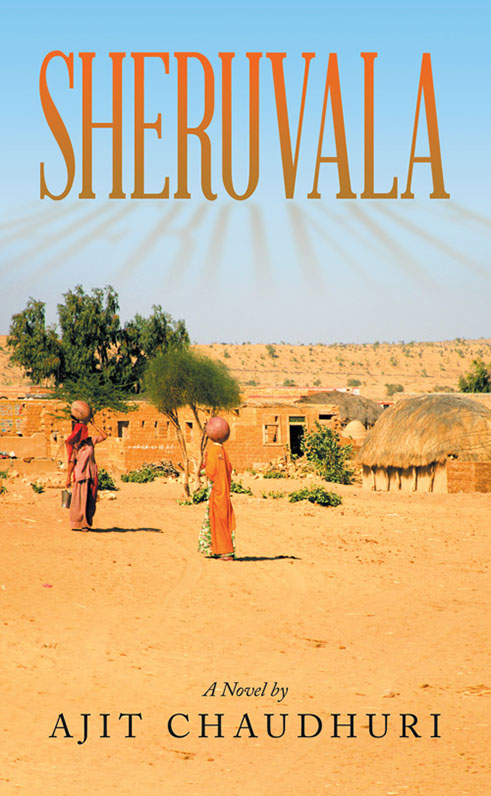
Sheruvala
This novel intertwines several untold stories. One is that of India’s NGO sector, and the young women and men who left their comfort zones and went off into remote villages, worked with poor and vulnerable communities, and tried to make a difference; the story of the work they did, the choices they made, and the challenges they faced. Another is that of the Sodhas, refugees from Sindh (Pakistan) who settled in India after the 1965 and 1971 Indo-Pak wars; their journey into India, their years interned in camps, and their resettlement in the Thar desert.
The narratives are woven together in this tale of a young man who spends three years in an NGO working in a remote corner of western Rajasthan in the early 1990s and then thirty years later in search of what he left behind. Does he find it? What has changed? And last, but not least, where does he go from here?
Sheruvala is set in an India few have visited, among people few have met, and it describes events few are aware of. It mixes fact with fiction and humour with horror, and it gives voice to atypical beliefs and attitudes. In the process, it introduces readers to unfamiliar rationalities in a forgotten corner of this diverse and exciting country.
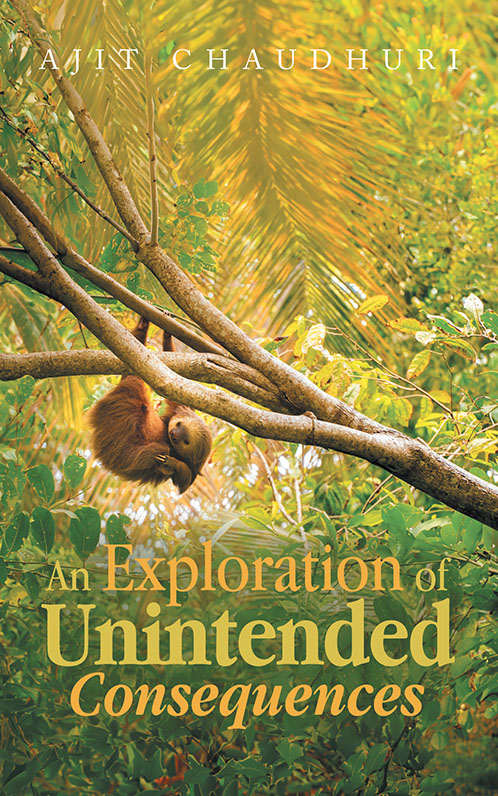
An Exploration of Unintended Consequences
This is a collection of five warm and sentimental novelettes that provide an unapologetic male gaze (despite the raconteur in three of them being women) upon the actions of ordinary people and the consequences of these actions, intended and unintended, upon their lives. In the process, it takes the reader on a whirlwind tour of India – from the eastern states of Bihar and Jharkhand to the western city of Mumbai, and from the line of control in Kashmir to the southern city of Chennai — covering a span of time from the license raj days of the 1980s to the lockdown and its aftermath in the 2020s and describing the lives of a range of people, from the English-speaking elite to others from less educated and exposed sections of society. The collection is a must-read for those looking to introduce themselves to the parts of the country and its people that they may not be familiar with, and to values and attitudes different to their own.
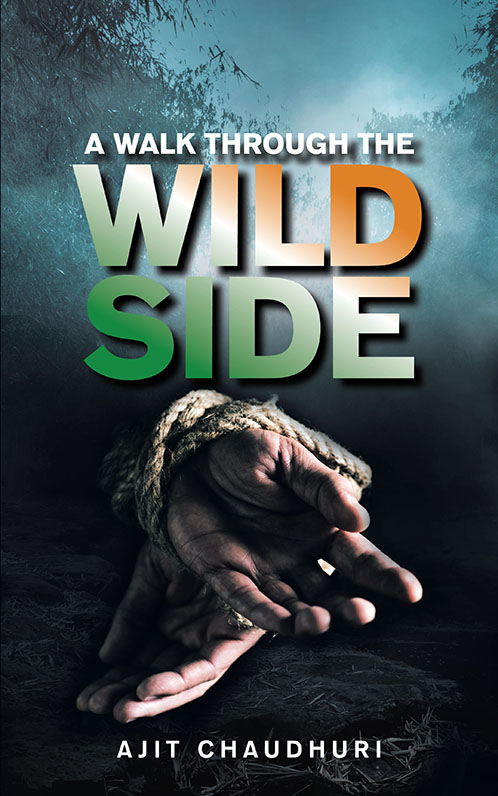
A Walk Through the Wild Side
This is the story of the kidnapping of a Delhi-based management consultant by insurgents in the North East of India in the mid-1990s, told from the perspectives of the kidnappee, his wife in Delhi, and the commander of an insurgent group that has him in its captivity. It spans events from the 1960s onwards and takes the reader across India and its North East, with occasional forays into Bangladesh, Myanmar, and British India’s northwestern frontier.
The story delves into questions of ethnicity, identity, nationalism and sub-nationalism in the North East, explores their connection with insurgency, and describes the assumptions, compulsions and motivations of the time. In the process, it introduces the India of the twentieth century, and its North East, to twenty-first century Indians.
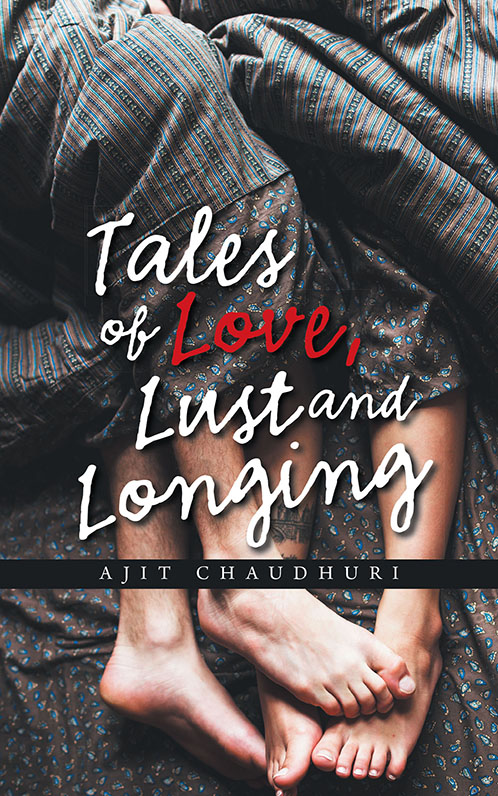
Tales of Love, Lust and Longing
This selection of seven novelettes has one commonality – it depicts a man’s view of a man’s world. Otherwise, it is varied – the novelettes are set in rural (‘Parita’) and urban (mostly Delhi) locations in India and abroad (‘The Double Bore’ is set in Canada and also describes Afghanistan); they describe relationships with spouses and lovers (‘The Thunderbolt’, ‘The Obsession’), with one’s children (‘Parita’), with sports (‘Lalaji’), between friends (‘The Friday Evening Get-Together’), and those of a more temporary nature (‘The King of Lust’); and they are written over a period of 25 years (and retain the original writing style, with minor editions for modern day political correctness). The novelettes provide glimpses of an emerging India at and around the turn of the century, with its rising middle class, its changing attitudes, and its conflict between tradition and modernity, as well as the pathways by which young (and not so young) people negotiate these.
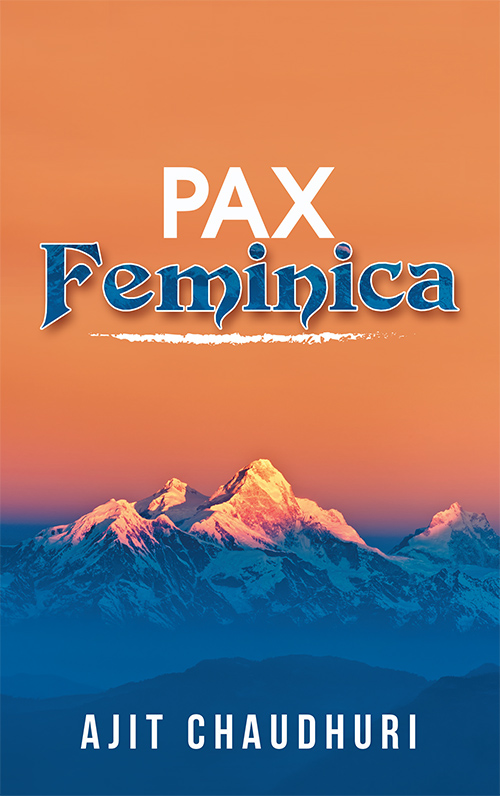
PAX Feminica
Imagine a society ruled by women, where women are the administrators, judges, and military commanders. Would it be free of want, injustice, and violence, as feminists would have us believe, or would it be much the same as any other society?
This novel describes such a world, with its rules and norms and its philosophical underpinnings, from the viewpoint of patriarchal outsiders. Two middle-aged male wannabe adventurers—one an inveterate womanizer and the other a ‘family man’— stumble upon this world via a series of accidents in this work that takes the reader from Delhi and Kiev to a remote valley in the Indian Himalayas and flits between the thirteenth century, when Mongol hordes invaded Europe and a group of women decided that they had ‘had enough of men’, and the previous decade.
